Tree Pod Burial Explained: Becoming a Tree After Death


Green Funeral Practice
|
May 4, 2023
Tree pod burial is a concept that has captured the imagination of many people in recent years. The appeal is obvious and intuitive - becoming a tree after death offers a meaningful way to honor a departed loved one. It creates a living memory that grows and endures, making it a beautiful idea and a positive choice for the environment.
There are, however, some points worth clarifying about tree pod burial in its current forms. At present, tree pod burial doesn’t exist in quite the way many people hope. This article looks at how burial pods work and how much they cost, and highlights some practical issues. It also explains how human composting is likely to be a more appealing option for those who want to become a tree when they die.
A tree pod burial involves placing either cremated remains or a full body in a pod beneath a new or existing tree. The idea is that the body will nurture the tree, and that the two will in some respects become one.
It is important to distinguish between the two forms of tree burial pods. The first is a cremation pod, often called a biodegradable urn, in which cremation ashes can be placed. These biodegradable urns are made from natural materials like compressed cellulose, plant starch, or wood fibers. They are designed to break down over time and include soil amendments to enable tree growth.
The second is a body pod, which involves placing the entire body inside a pod and burying it beneath a tree. This exists only in concept - while it is the form that most people have heard of and which sounds most appealing to many, it is not available anywhere in the world.
In the case of cremation pods, a loved one's cremated remains and a soil amendment are placed into the pod to balance the ashes' high pH, and then planted in the ground with a young tree above it. It is perhaps a stretch to say that the body is directly nurturing the tree, as the ashes themselves are not inherently positive for plant life.
The short answer as to how whole body burial pods work is that they don’t. Popular design drawings show a body in a fetal position inside an egg-shaped pod with a tree above. This concept is, however, not a reality.
Bio urns are commercially available and offer some eco-friendly advantages over traditional burial. However, they do not fully deliver on the tree pod burial promise as many people understand it. The cremation required beforehand has significant environmental costs, and the ashes themselves do not meaningfully nourish the tree.
Bio urns are crafted from natural materials such as bamboo, recycled paper, or plant-based bioplastics. They are designed to break down over 6–12 months when buried with a young tree. Companies like Capsula Mundi and The Living Urn offer various bio urns and tree species.
Bio urns offer families a way to create a living memorial. However, the tree is nourished primarily by the surrounding soil and added amendments, not the cremated remains themselves.
The price of tree burial pods varies. Cremation pods tend to cost a few hundred dollars, and you may need to pay for a young tree on top of this. The total cost, including the cremation pod, the tree species selected, and the planting, typically ranges from $2,000 to $5,000, depending on location and preferences. This makes it a viable option for families seeking green funeral options that align with their values, though those prioritizing environmental impact may want to consider the cremation emissions discussed above.
As whole body pods do not exist in practice, a cost estimate cannot be given.
The most obvious problem with death tree pods is that the idea that has attracted the most interest - the whole body pod - does not exist. The idea seems unlikely to become available in the form shown in popular images, as it would be near impossible for the body to be placed in the position displayed after death. Even if this was possible, practical issues remain. Hard, dry soil in summer makes digging difficult. Frozen earth in winter can make burial impossible. And you can't plant a tree in December.
The biggest disadvantage of cremation pods (biodegradable urns) is that they involve cremation in the first place. Many people who like the idea of becoming a tree are nature lovers who are concerned about their environmental impact. Unfortunately, cremation is bad for the environment. As a fossil fuel driven process, each cremation emits carbon emissions equivalent to a 609 mile car journey. While planting a tree is undoubtedly a good thing, the cremation that precedes it is environmentally unfriendly.
Another problem is that the link between the body and the tree is perhaps slightly more tenuous than people hope. Cremation ashes are not positive for a tree on their own, and so it is difficult to say that it is the cremated remains rather than the surrounding soil, which are nurturing and becoming the tree.
{{CTA-webinar-3}}
There are more direct and more environmentally friendly ways of becoming a tree after death.
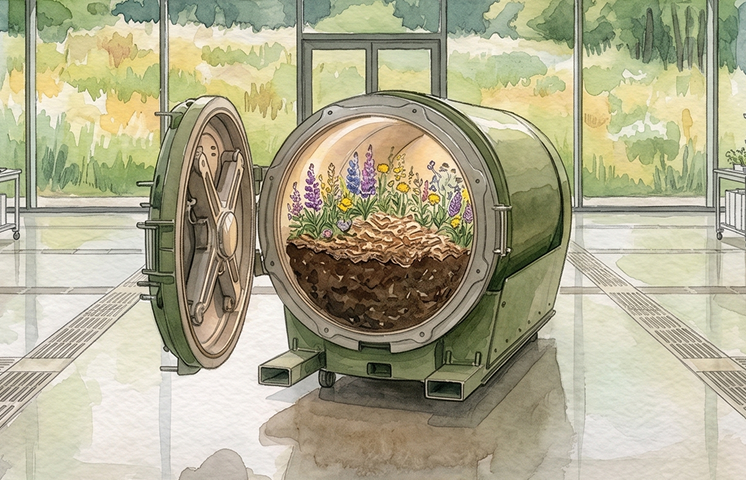
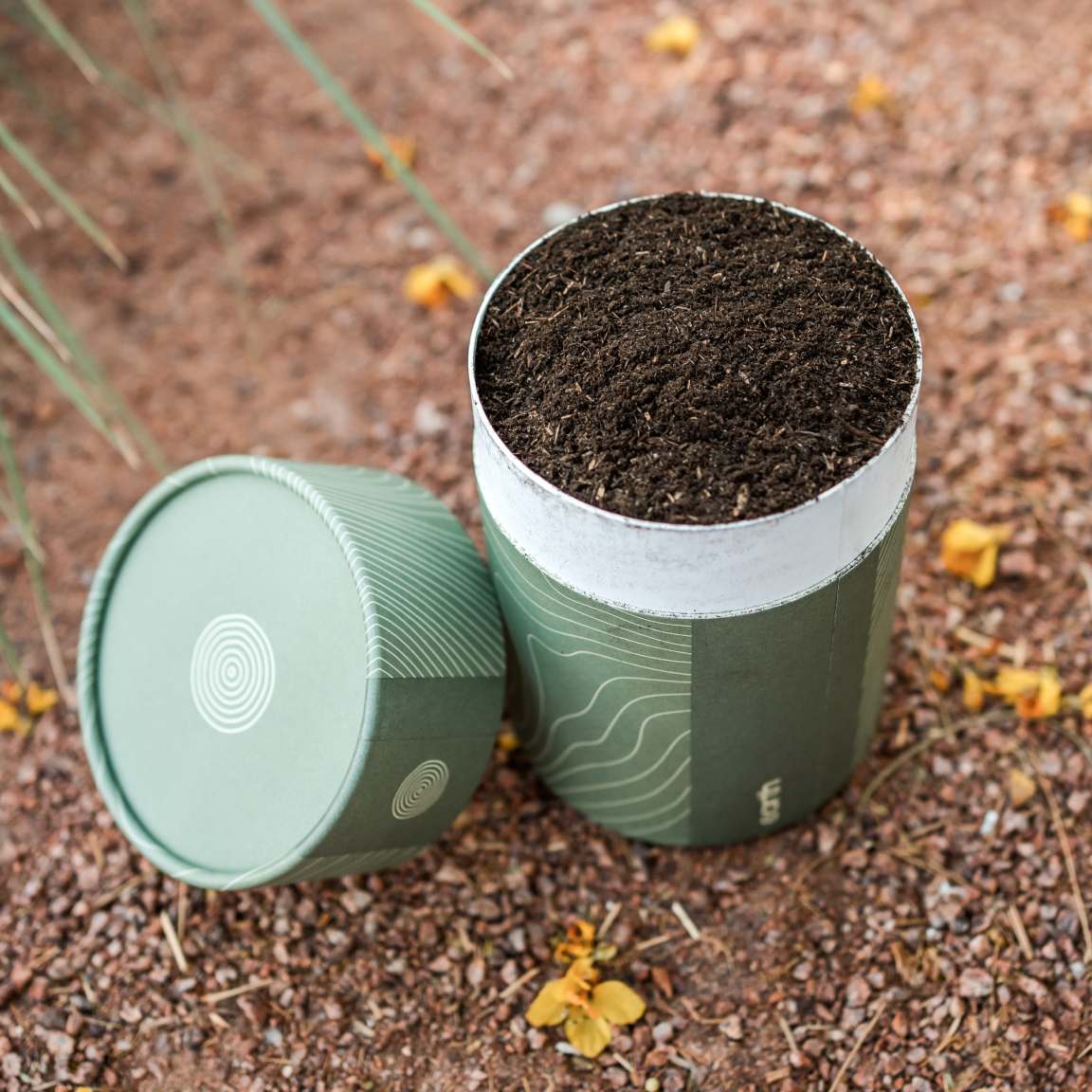
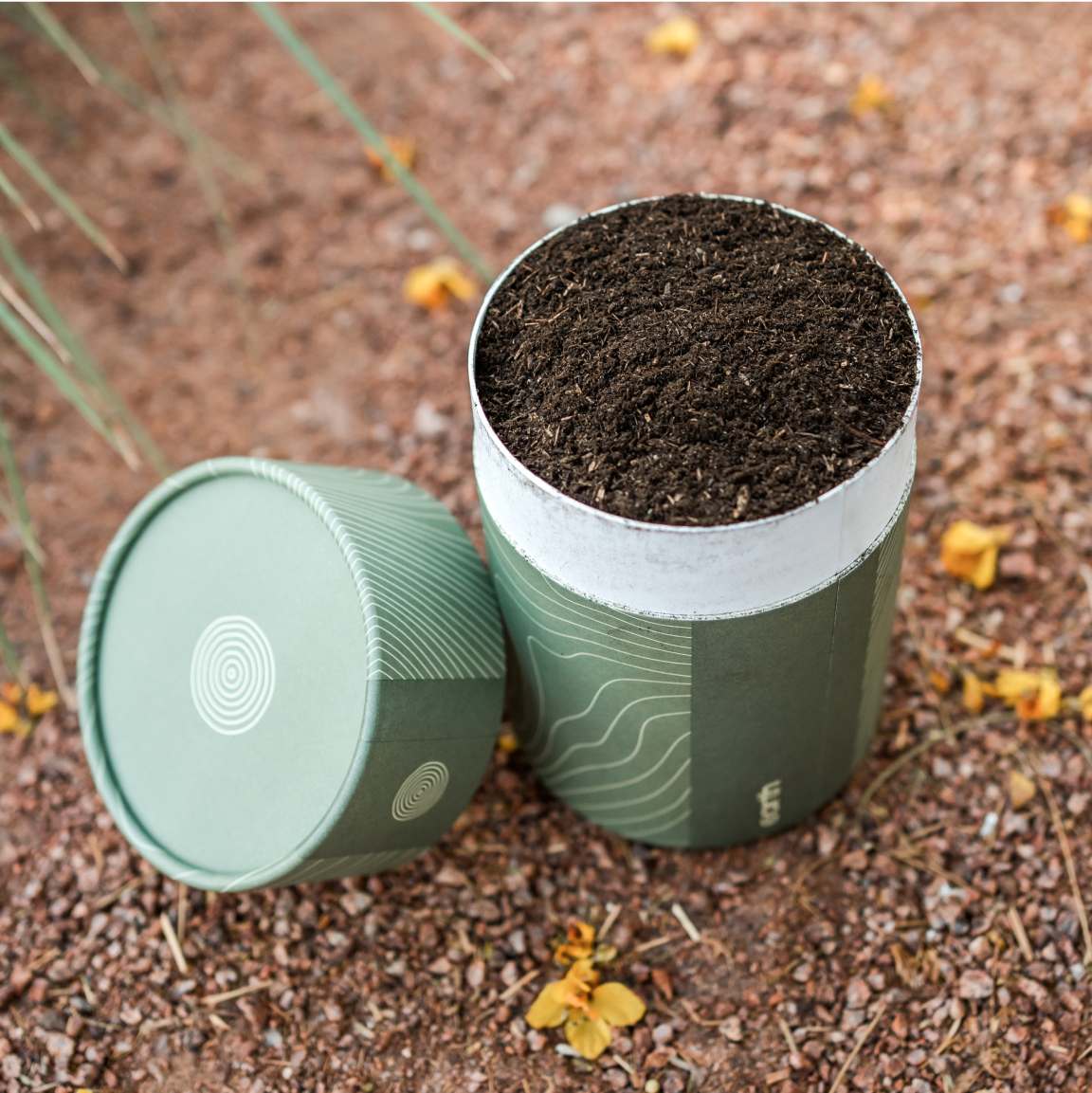
Human composting is perhaps the most direct and meaningful way to become a tree. An environmentally friendly alternative to burial and cremation, the human composting process gently transforms a body into nutrient rich soil over a 45-day period. The cubic yard of healthy soil output provides two ways to become a tree, each with their own appeal and beauty.
Families can use the soil to plant or nourish flowers or a tree, perhaps creating a small memorial garden. The burial site becomes a natural, reflective space where loved ones can gather, fostering remembrance, peace, and a symbolic connection with the cycle of life. This provides a beautiful memorial for family and friends to connect with, representing a continuation of life.
Any remaining soil can be donated to conservation projects. Earth partners with community organizations and ecologists to select land in need of ecological restoration, where the soil from our process is used to nurture, restore, and conserve important ecosystems for future generations. These projects plant trees, restore native habitats, and improve soil health. The soil is so important to the restoration of this land that it can be very meaningfully said that a person is becoming a part of this forest and returning to nature.
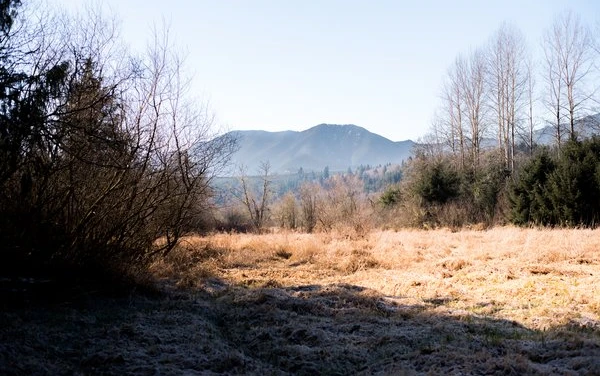
For people who want their or their loved one’s cremated remains to become a tree, the soil from the human composting process can be mixed with cremation ashes, allowing family or friends to rest together.
When considering the best way to become a tree, environmental impact should be at the forefront of our minds. With human composting, not only is the end product healthy and positive for trees, the underlying process is also natural and produces no net CO2. Earth's facilities use 100% renewable energy, avoiding the pollution caused by cremation.
At Earth, we call our proprietary human composting process ‘soil transformation’. Conceptually beautiful and environmentally friendly, soil transformation is the funeral choice for conservationists, nature lovers and those who want to preserve the planet for future generations.
If you're looking for tree pod burial in California, Washington, or Oregon, then Earth's soil transformation is likely to be the option that best suits your desires. As of 2026, Earth Funeral is honored to extend our soil transformation services to East Coast families in Illinois, New Jersey, Pennsylvania, Virginia, Maryland, and all other cities in these states. If you are interested in giving back to the earth, read more about our human composting process and get an instant online quote.
{{CTA-10-question}}

Human Composting 101
Human composting is the gentle, natural process of turning a person into soil. This green burial option takes place in a controlled environment and allows individuals to return to nature upon death, and become part of a regenerating and natural ecosystem. It is an eco-friendly alternative to burial and cremation.
6/3/2026
8 min read
© 2026 Earth Funeral